Winter Bike & E Bike Kit Maintenance Guide
As winter arrives, many countries across Europe and North America enter a season of snow and low temperatures, leading to a noticeable drop in cycling activity. For many riders, bicycles and electric assist e bike kits are often left unused for long periods during this time. However, it’s important to understand that winter is not a “do nothing” off-season. On the contrary, it is a critical period for systematic maintenance and long-term care. Proper winter upkeep helps prevent premature aging of components and performance degradation, while also ensuring that your bike/e-bike is safe, smooth, and ready to ride when the new cycling season begins.
The first aspect that deserves serious attention is cleaning. Many riders, after stopping their winter rides, simply store their bikes/e-bikes in a garage or on a balcony and skip the cleaning step altogether. The correct approach is to thoroughly clean the frame, drive-train, and the external components of the electric bicycle conversion kits before storage—especially around the chain, cassette, and wheel pedelec areas. The reason for this is that winter roads often contain de-icing salt, moisture, and grit, all of which are highly corrosive. If these residues are not removed in time, they will continue to attack metal surfaces during long periods of inactivity, leading to rust, stiffness, and even structural damage. On the other hand, neglecting proper cleaning often results in poor shifting performance, increased noise, and higher maintenance costs when the bike is put back into use the following season.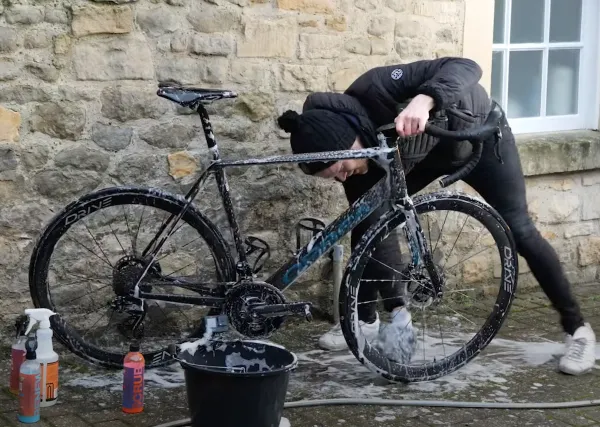
The next important step is lubrication and rust prevention. After cleaning, the chain, derailleur pivot points, and other moving parts should be properly lubricated. The correct approach is to use a lubricant suitable for low-temperature conditions and to wipe off any excess oil after application to prevent dirt buildup. This creates a protective layer during winter storage, preventing moisture in the air from coming into direct contact with metal surfaces. If lubrication is completely neglected, prolonged exposure to damp conditions will accelerate oxidation, particularly affecting the drive-train and small metal components of the e bike nachrüstsatz. In severe cases, this can even compromise riding safety when the bike/ebike kit is used again.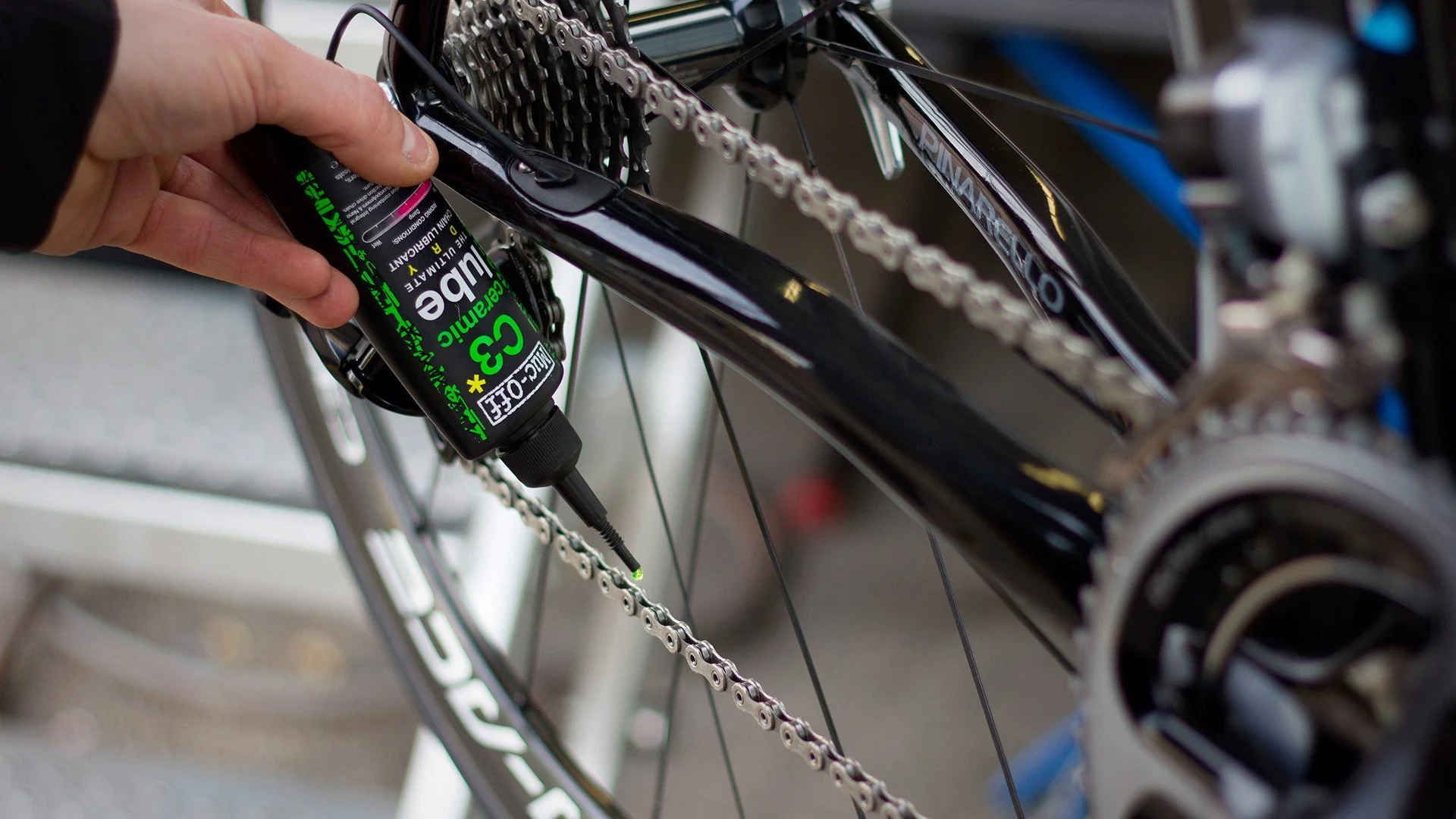
When it comes to kit e bike, the ebikeling battery care is especially critical. The recommended practice during winter is to remove the swytch battery from the bike and store it indoors in a dry, well-ventilated environment with a moderate, stable temperature, while keeping the charge level at a mid-range state. This helps slow down battery aging and protects the internal chemical structure. Leaving the electric bike kit with battery in cold conditions for extended periods—or storing it fully charged or completely depleted—can accelerate capacity loss and may ultimately affect both battery lifespan and safety performance. One more important point to keep in mind is that even when the electric bike conversion kit with battery is not in use, it should still be charged periodically—approximately once every two weeks—to help maintain battery health and prevent deep discharge.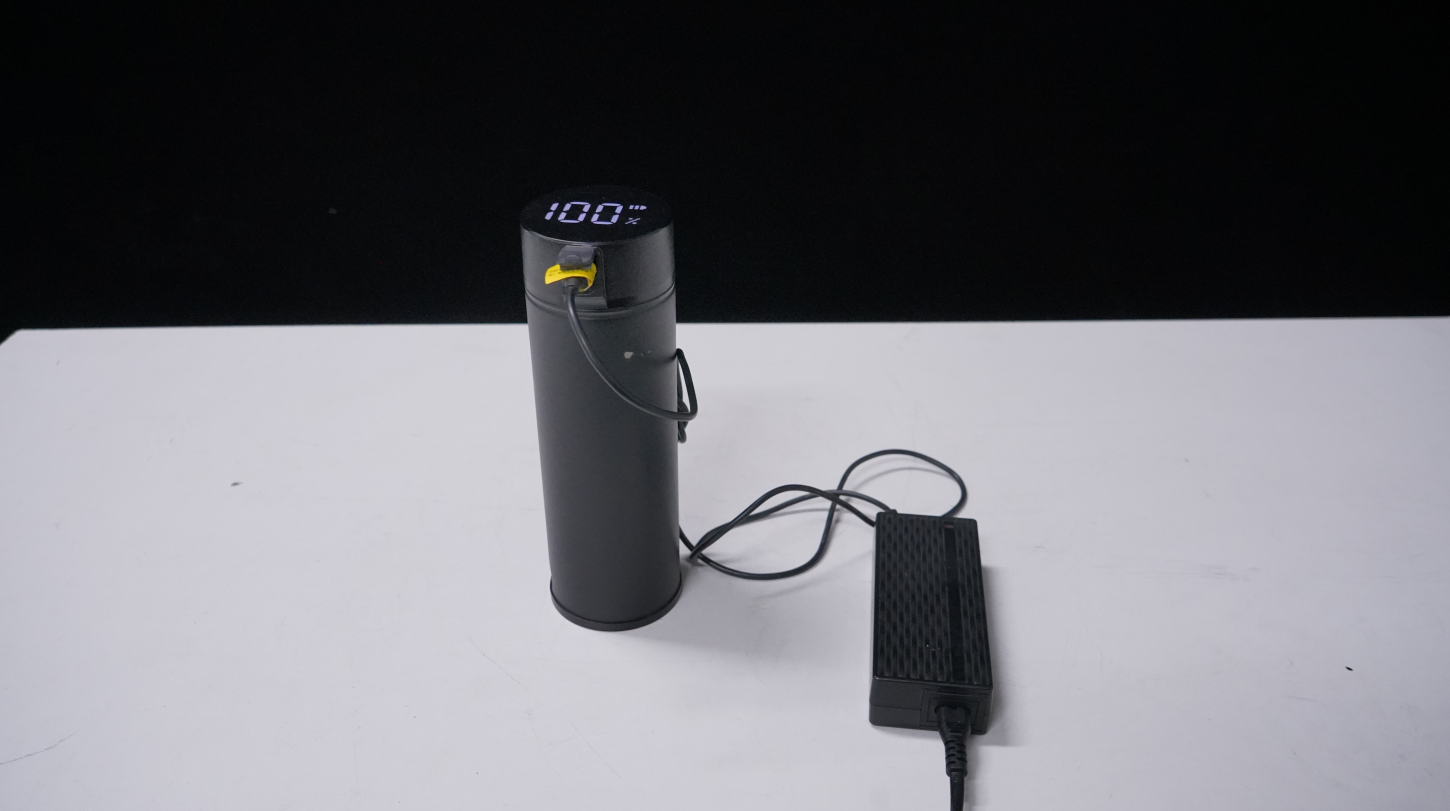
At the same time, moisture protection for electronic components is just as important. Controllers, cable connections, and sensors are particularly vulnerable to condensation and humidity during the winter months. The proper approach is to check that all connections are secure and that waterproof seals are intact and functioning correctly. If possible, basic moisture-protection measures should be carried out before storage. If this step is overlooked, moisture can gradually enter the system unnoticed, leading to poor electrical contact, signal irregularities, or even malfunctions when the bike is put back into use the following season.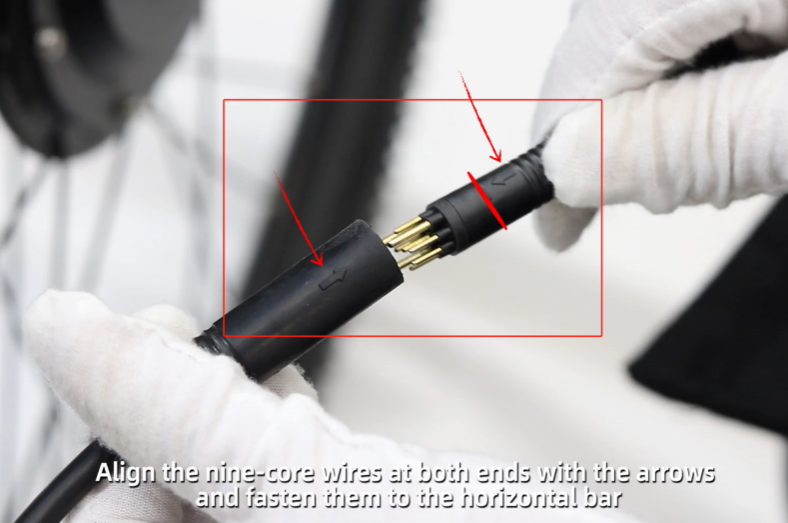
Finally, don’t overlook the importance of choosing the right storage environment. Ideally, the swytch bike/kit pedelec should be kept in a dry, shaded space with minimal temperature fluctuations, while avoiding prolonged pressure on the tires in a fixed position. Slightly reducing tire pressure or periodically changing the bike’s resting position can help maintain proper tire shape. If a bike with electric bicycle kit is stored carelessly in cold and damp conditions for extended periods, the tires are more likely to age and deform, and the overall structural integrity and stability of the ebikekit conversion system can also be adversely affected.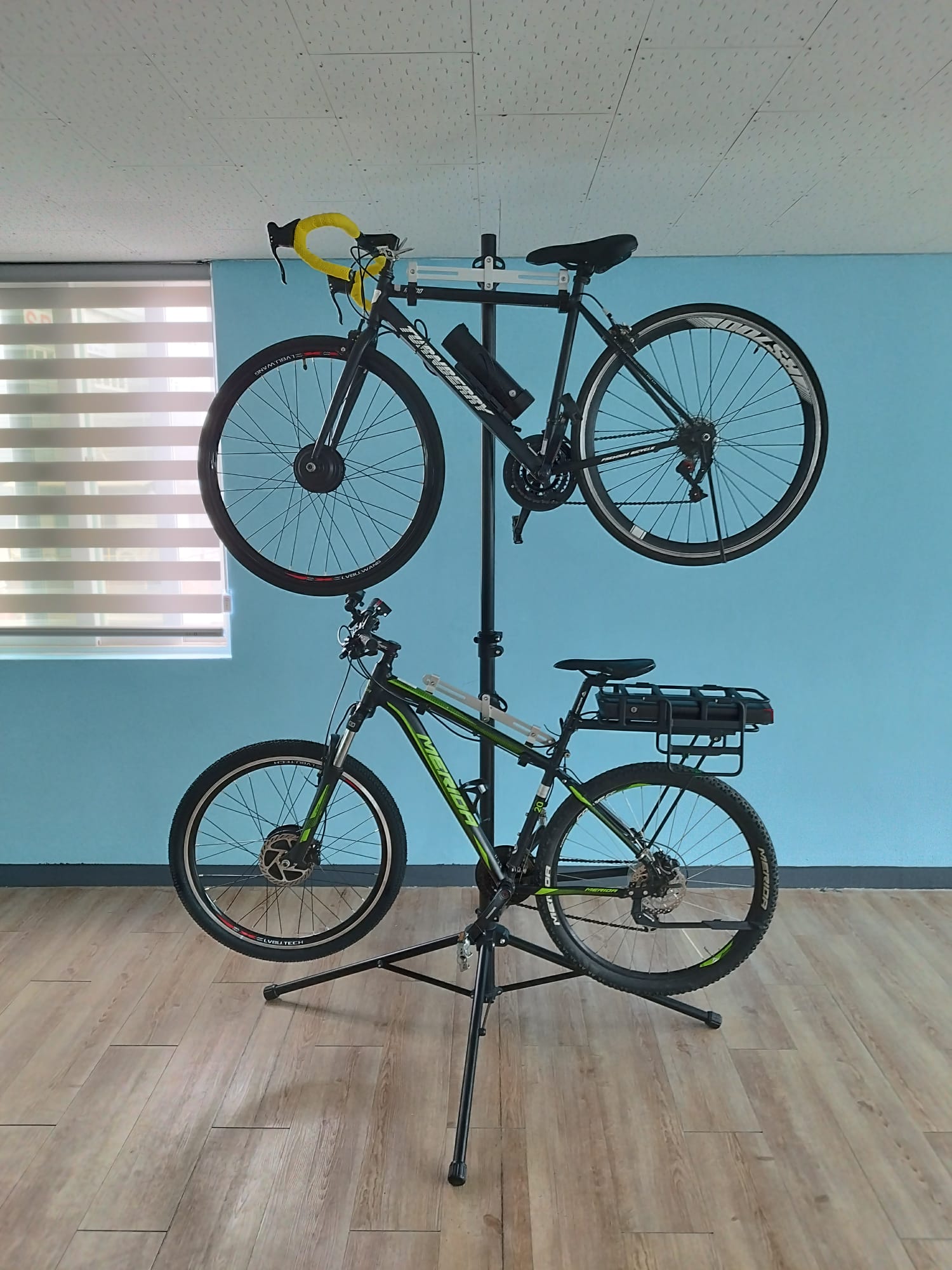
Overall, although cycling activity tends to decrease during the winter months, proper care of both the bicycle and electric bike conversion kit should never be overlooked. Through a series of well-planned maintenance practices—such as cleaning, rust prevention, proper storage, and battery management—you can avoid unnecessary wear and damage while laying a solid foundation for the next riding season. Thoughtful and scientific winter maintenance is a key factor in ensuring that every return to the road is safer, smoother, and more enjoyable.