Inside a 100km Weekend Ride: What Cyclists Really Prepare
If we go back ten years, many people would have considered completing a 100-kilometer ride something only professional cyclists or highly experienced riders could achieve.
But today, whether in Europe, North America, or Southeast Asia, you’ll find that more and more everyday cycling enthusiasts are beginning to see the “100-kilometer weekend ride” as a regular part of their lifestyle.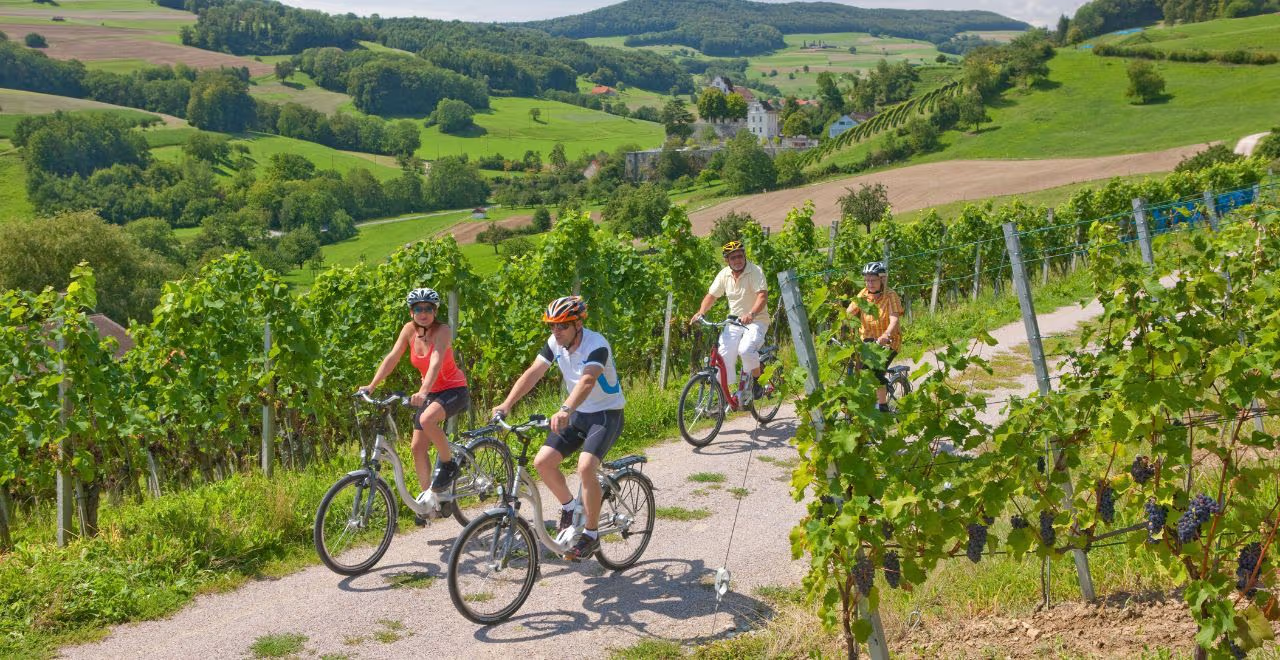
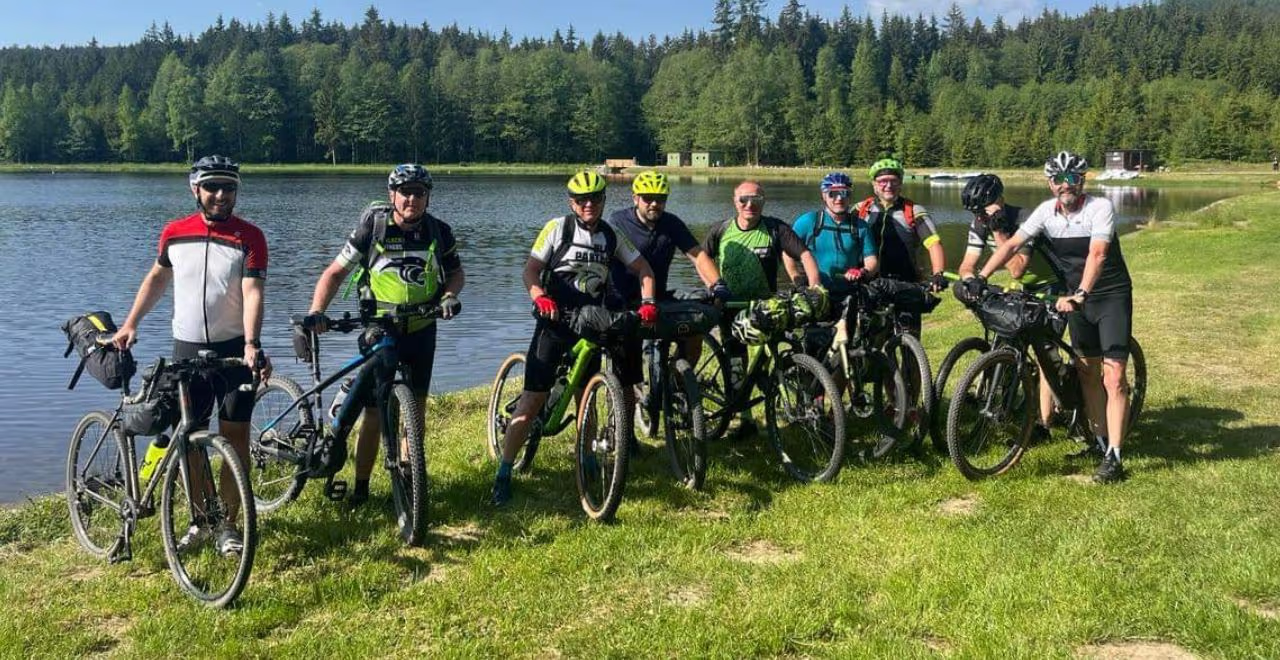
In the UK, on weekend mornings, it is common to see small groups of cyclists in their cycling gear setting off from the city and riding out into the countryside. In the Netherlands and Denmark, long-distance cycling has already become a new way for families and friends to spend time together. Meanwhile, in Thailand, Malaysia, and Vietnam, as cycling culture continues to grow, more and more people are choosing to complete weekend rides of 80 kilometers, 100 kilometers, or even longer distances.
They are not riding for competition, nor are they trying to set new records. More often, they simply want to spend a few hours away from the city—get their bodies moving, temporarily disconnect from work, phones, and constant notifications, and rediscover their own rhythm through cycling.
For this reason, the 100-kilometer ride has gradually become a “just right” distance for many cyclists. It is far enough to truly leave the familiar daily environment, yet not so long that it requires taking time off. It can comfortably be completed within a single day.
Many riders completing 100 kilometers for the first time soon realize that what truly determines whether the ride feels easy and enjoyable is not how fast they ride, but how well they have prepared.
Many beginner riders assume that long-distance cycling is mainly about owning an expensive bicycle. However, within cycling communities across Europe and North America, a growing consensus is emerging: the best bicycle is not necessarily the newest one, but the one that fits the rider best.
Many cyclists continue to ride the same bike for five, ten years, or even longer, and still rely on it for repeated long-distance rides. Over time, they become fully familiar with its frame geometry, riding position, handling characteristics, and overall riding feel. Rather than replacing a well-known bicycle with a completely new one, many riders prefer to upgrade and modify their existing setup, allowing a familiar “old partner” to continue accompanying them on new journeys. This shift in mindset is also one of the key reasons why e bike kits have gained increasing attention in recent years.
Ebike conversion does not change the fundamental riding experience, but instead preserve the original feel of the bicycle while extending its capability range, enabling more riders to attempt distances they may not have considered before.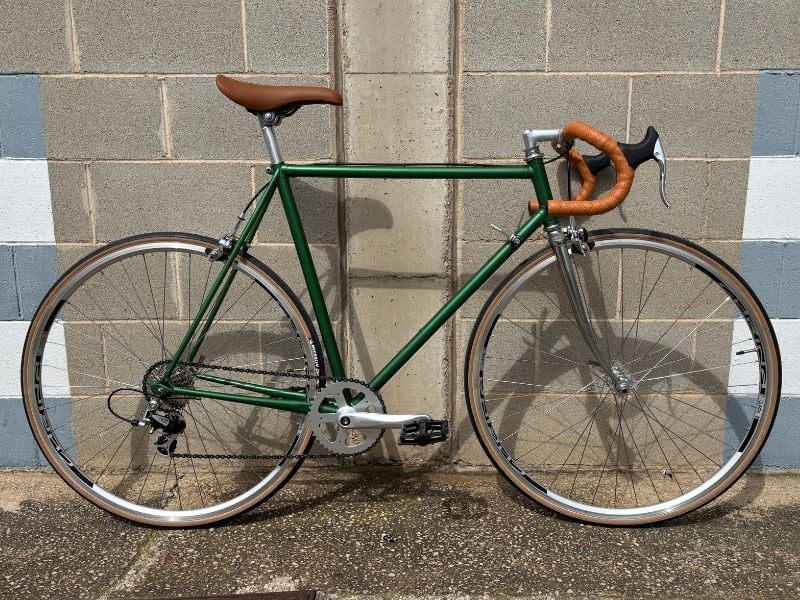
For a 100-kilometer ride, experienced cyclists are not primarily focused on speed, but on the details. They usually plan their routes in advance.
Which sections are suitable for steady cruising,
which areas require climbing,
where water can be refilled,
where rest stops are best located,
and even changes in wind direction and weather conditions on the day can all significantly influence the entire ride.
Many cyclists in Europe prefer loop routes instead of out-and-back rides, as each section of the route offers a different landscape and a new riding experience.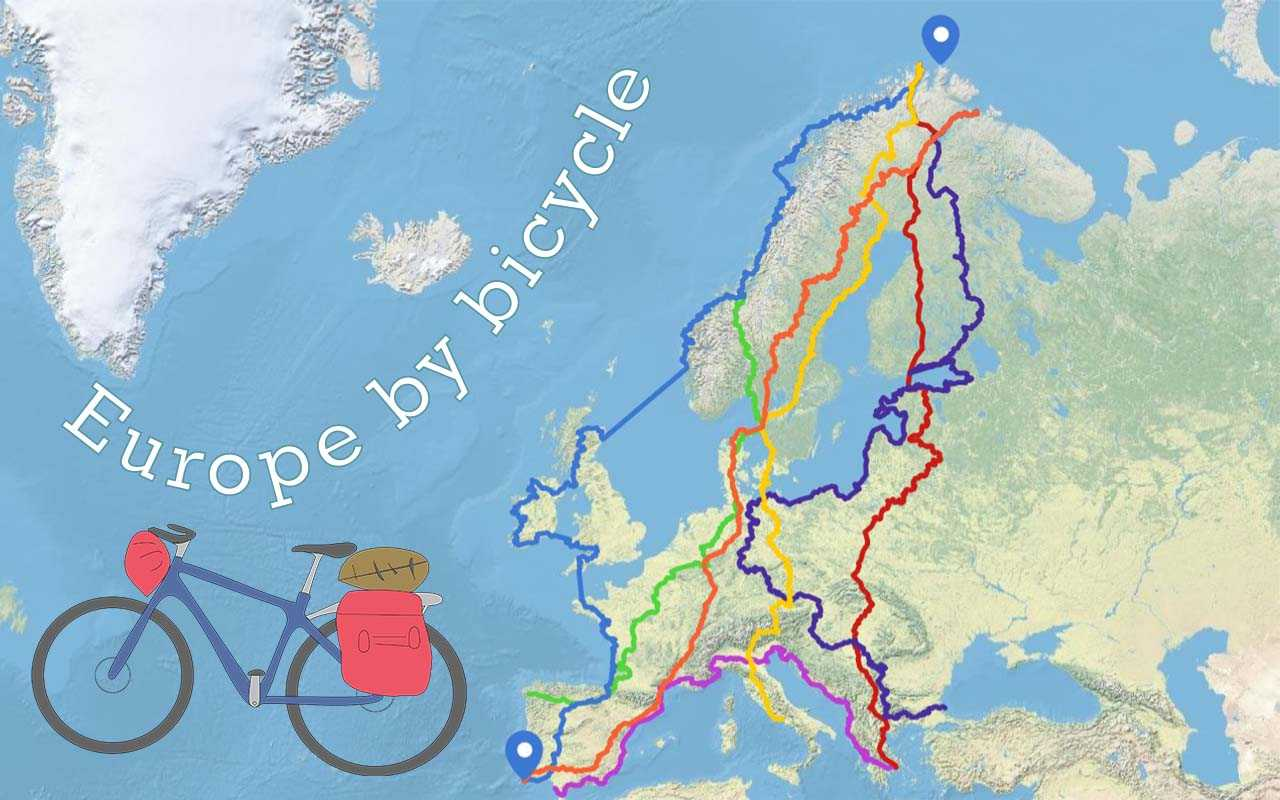
Nutrition is equally important.
Long-distance cycling means the body is continuously consuming energy over an extended period. In addition to water, energy gels, energy bars, fruits, and simple sandwiches are all common items carried by many cyclists. Experienced riders do not wait until they feel fatigued to refuel; instead, they plan their nutrition intake in advance, maintaining a steady fueling rhythm to keep their energy levels stable throughout the ride.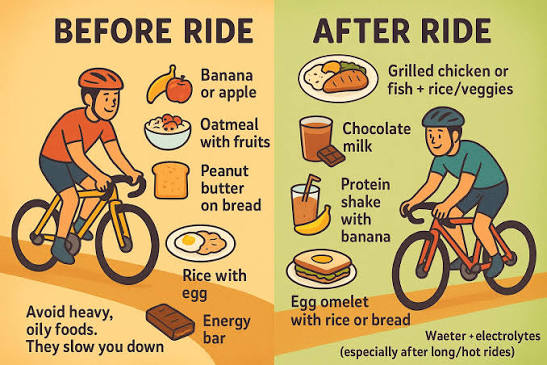
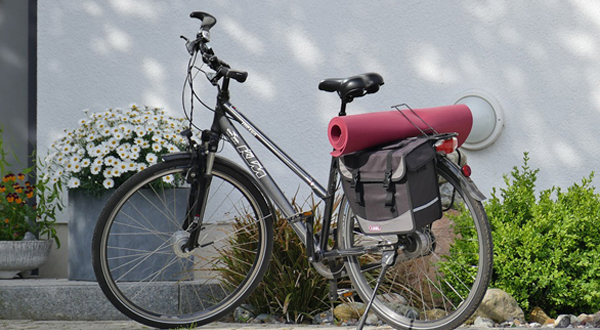
Apart from food, a basic repair tool kit is almost essential equipment for every cyclist. A spare inner tube, a pump, a multi-tool, and puncture repair tools—these seemingly small items can often determine whether a ride is completed smoothly or not.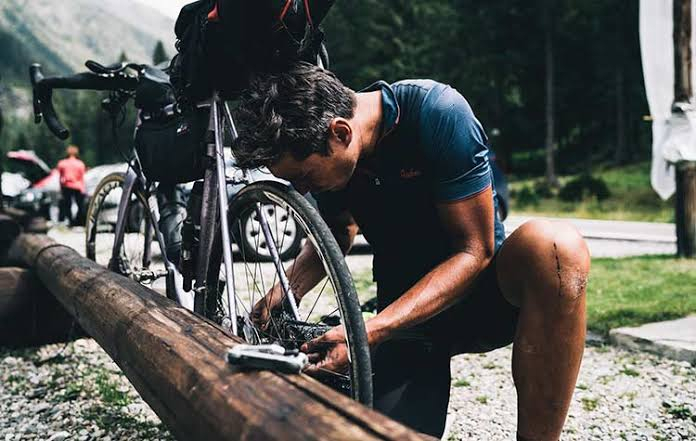
Of course, in recent years, another type of cycling equipment has increasingly appeared on the bikes of long-distance cycling enthusiasts—lightweight electric bicycle kit.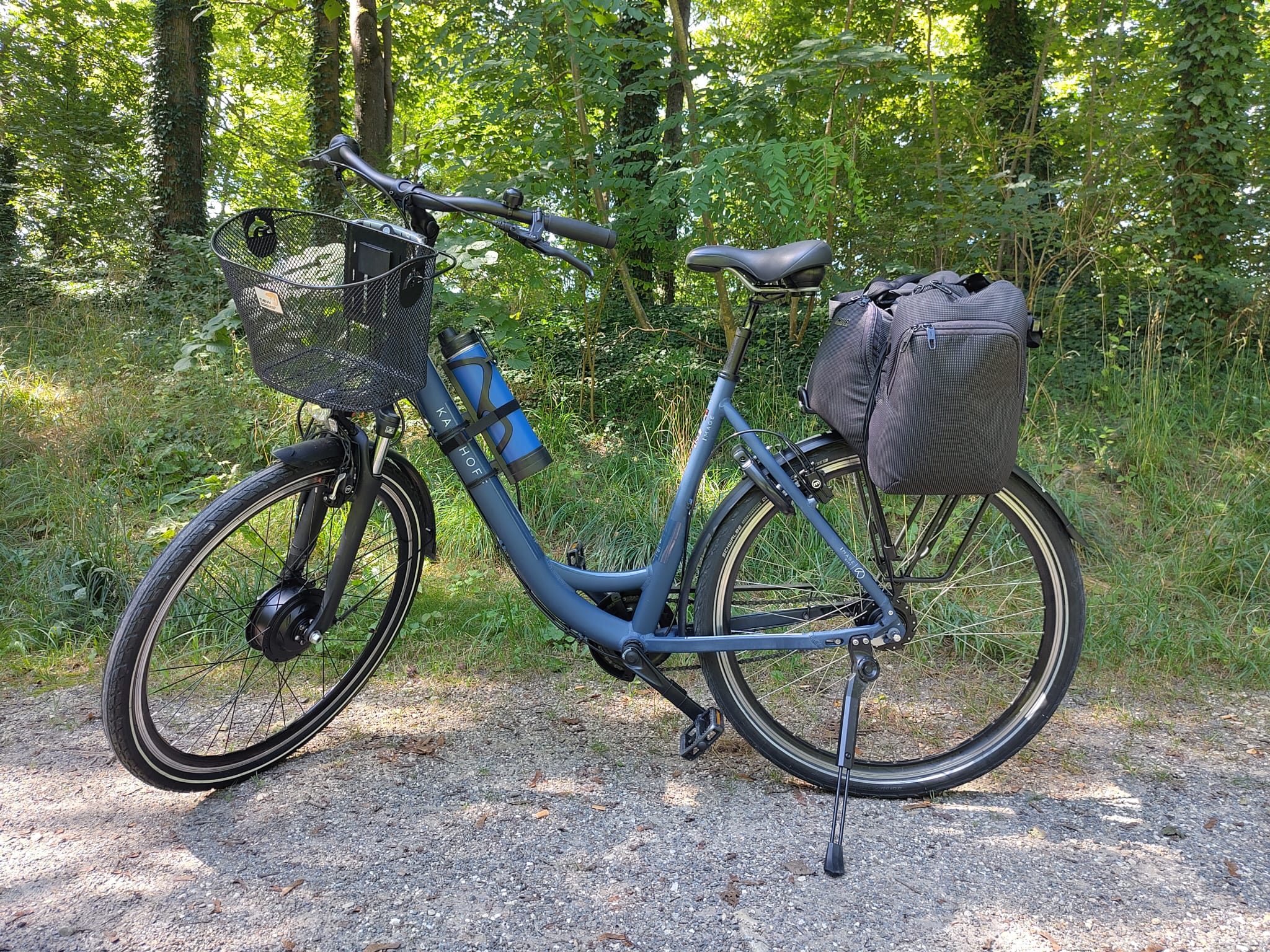
Many people still misunderstand electric bicycle conversion kits, assuming the electric bike kits for bicycles are only suitable for older riders or those with lower fitness levels. In reality, within the cycling communities in Europe and North America, an increasing number of younger riders are actively choosing lightweight bicycle battery conversion kits.
The reason is simple: They are not looking for full reliance on the electric hub motor, but rather a small level of assistance when it is truly needed.
For example, when fatigue starts to build after riding continuously for several tens of kilometers;
when facing long and sustained climbs of over ten kilometers;
or when riding against strong headwinds.
In these situations, an ebike kit does not take away the enjoyment of cycling. Instead, it helps riders preserve more energy for the scenery, their companions, and the ride itself.
Compared with the traditional skarper ebike, an increasing number of cyclists are now paying attention to the lighter, more modular, and more flexible electric bike conversion kit. This approach allows riders to retain the bicycle they are already familiar with, while avoiding the additional weight and structural changes that often come with a complete e-bike system. For riders who frequently engage in long-distance weekend cycling, this balance between performance assistance and riding familiarity has become particularly important.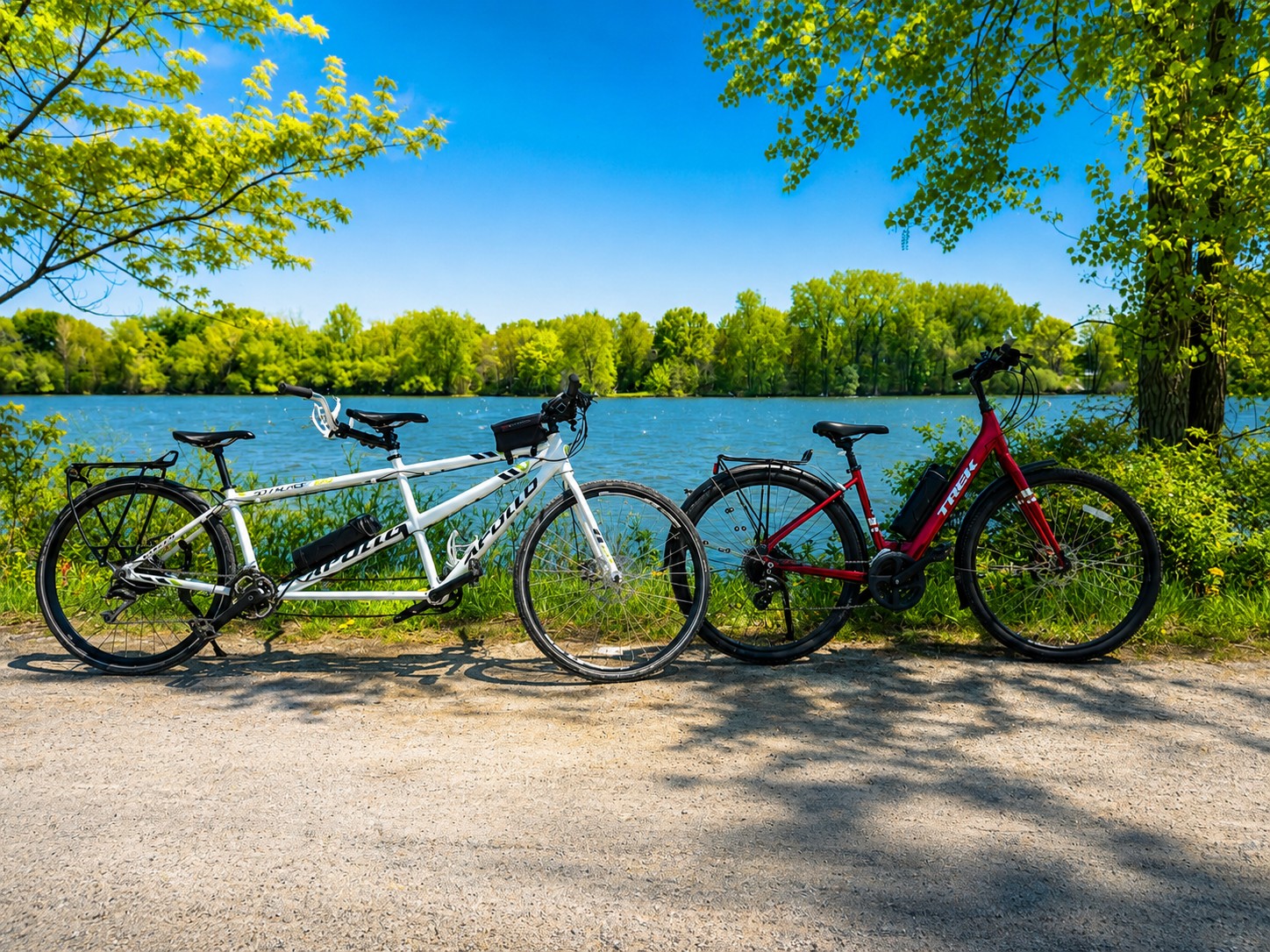
The LVBU KF series ebike solution is one of the options considered by many long-distance cyclists. It features a lightweight overall design while maintaining the ebike modification process easy and simple, allowing a standard bicycle to gain a moderate level of electric assistance without significantly altering the original riding experience.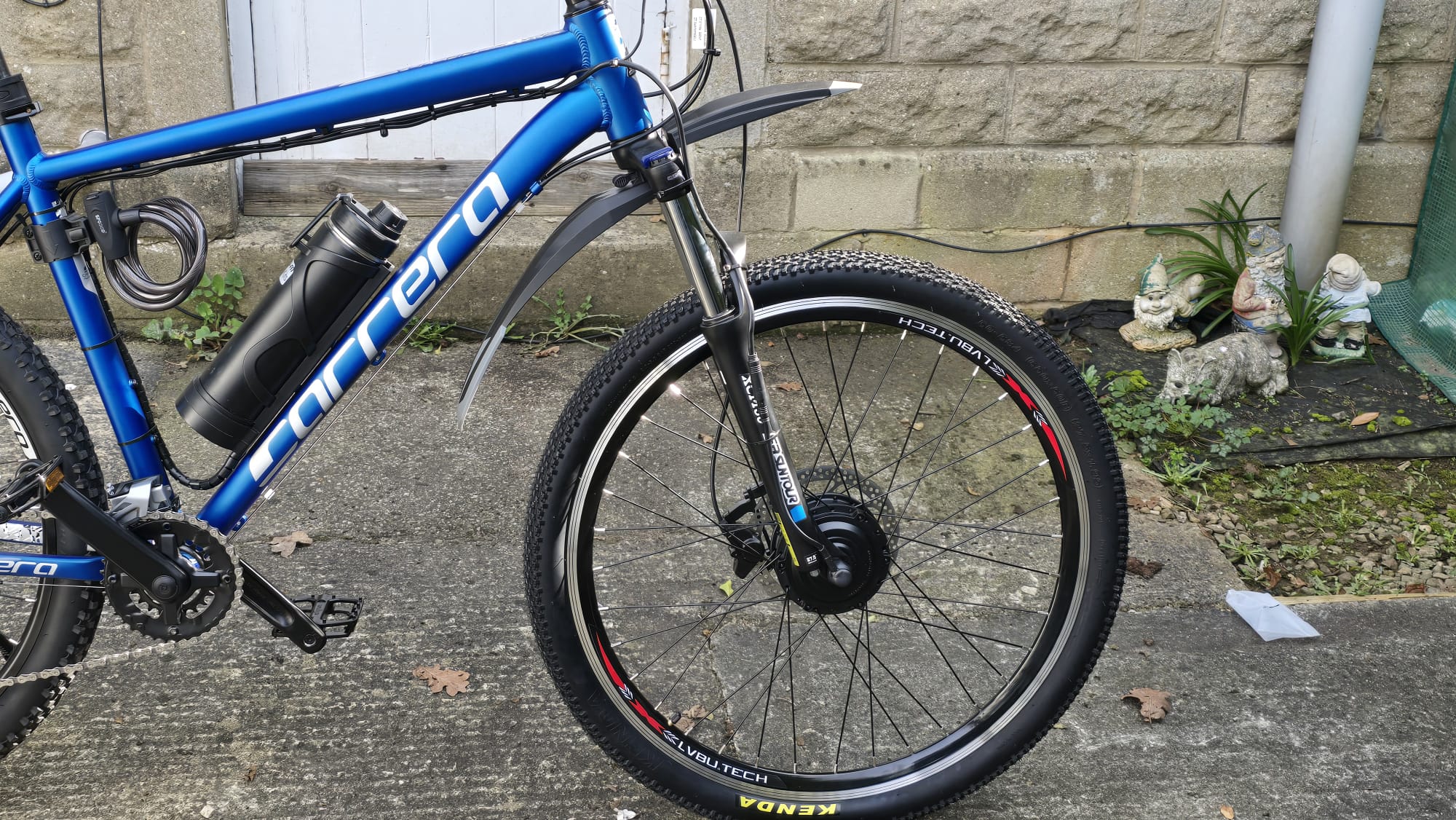
For a 100-kilometer weekend ride, this type of assistance is not intended to replace pedaling, but to support riders when needed by reducing physical strain and making the overall journey smoother and more natural. Many users report that they still prefer to rely solely on their own legs during flat cruising sections, while activating assist mode when encountering long climbs or strong headwinds.
This human & hub motor kit cooperative riding approach is increasingly aligned with the evolving direction of modern cycling culture.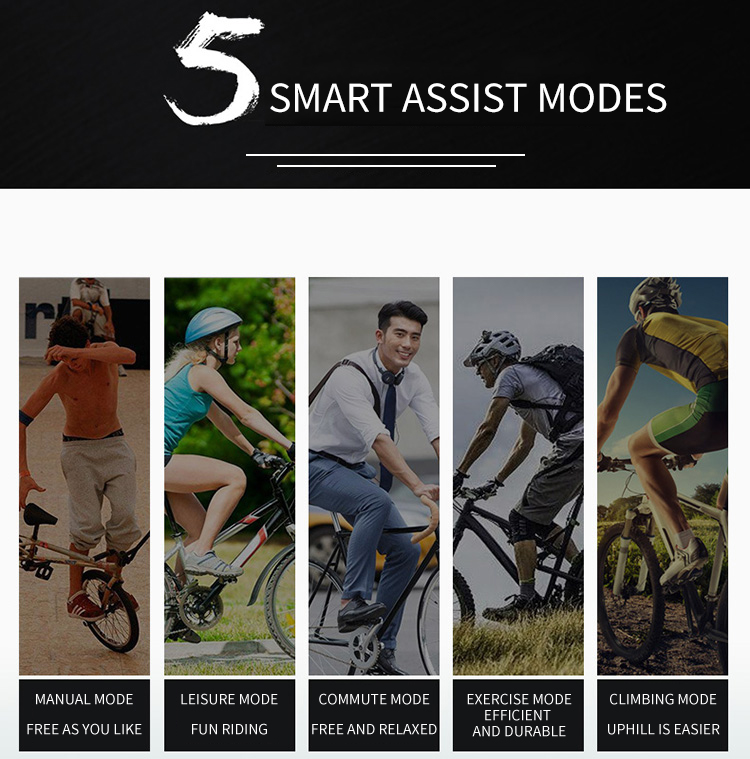
It is worth noting that for true cycling enthusiasts, a 100-kilometer ride is rarely seen as the finish line.
After completing their first one, they begin to explore new routes, discover new cities, try bikepacking, join coffee rides, or organize more weekend rides with friends.
They gradually realize that cycling is not just a form of exercise.
It is a way to understand cities, a method of exploring nature, and a language through which people connect with friends. More and more cyclists are coming to understand that good cycling equipment is not about showing off, but about reducing anxiety during the journey and bringing cycling back to its simplest form of enjoyment.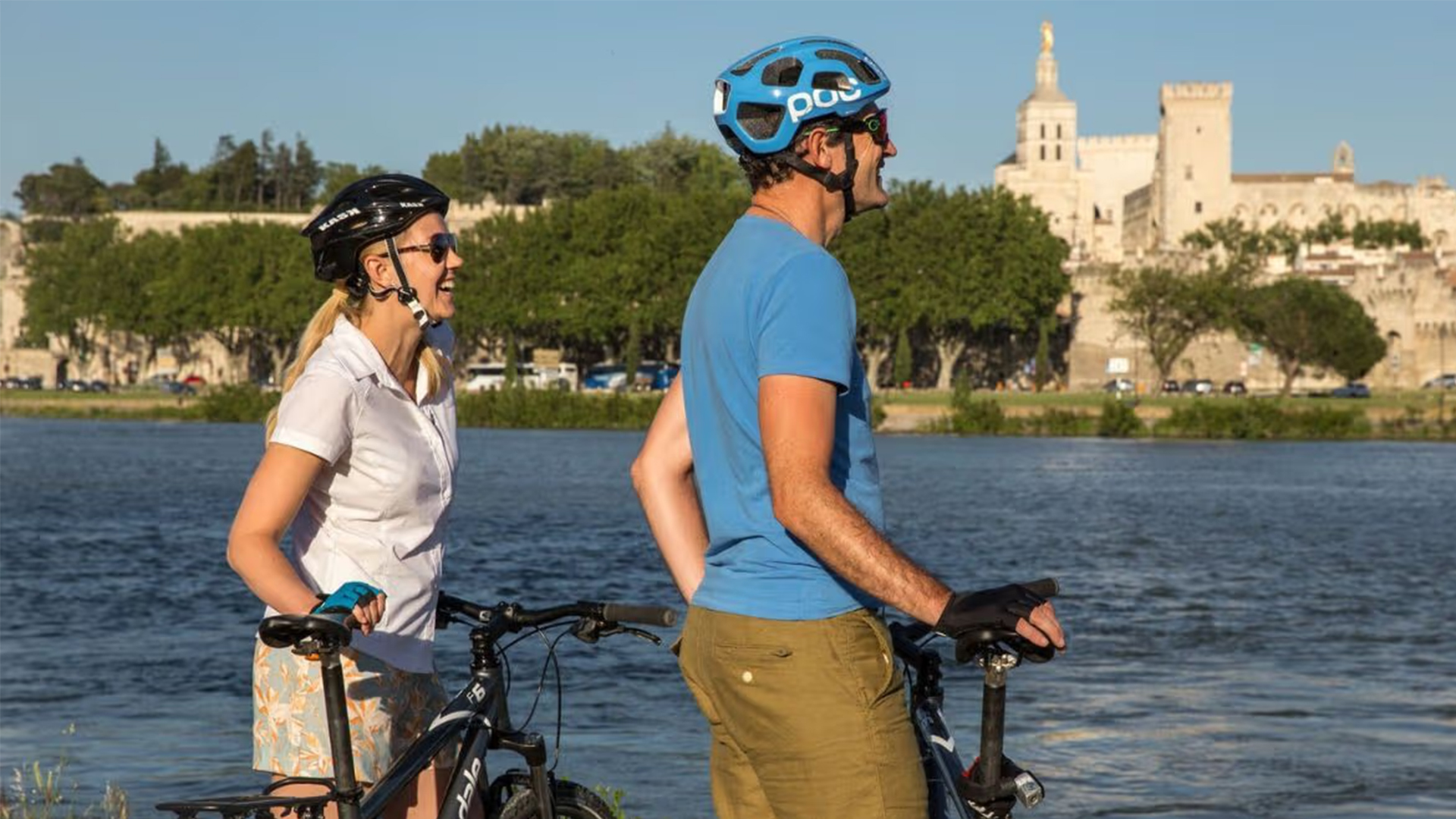
When you no longer have to worry about battery range, long climbs, or physical exhaustion, you can focus more on the sunlight along the way, the scenery around you, and the people riding with you. Perhaps this is also why more and more everyday cyclists are completing their first 100-kilometer ride.
Because what truly matters is never the distance itself, but the courage to set out on an unknown journey.
As more and more people begin completing 100-kilometer rides within a single weekend, what they gain is not just a cycling record, but a new way of living. A bicycle that truly fits the rider, a reliable swytch ebike kit, and companions who are willing to set out together are often the best preparation for starting this journey.